How I Chose the Perfect Boat for My Needs: A Guide for First-Time Buyers
- Reece Hayes
- Jun 15, 2025
- 5 min read
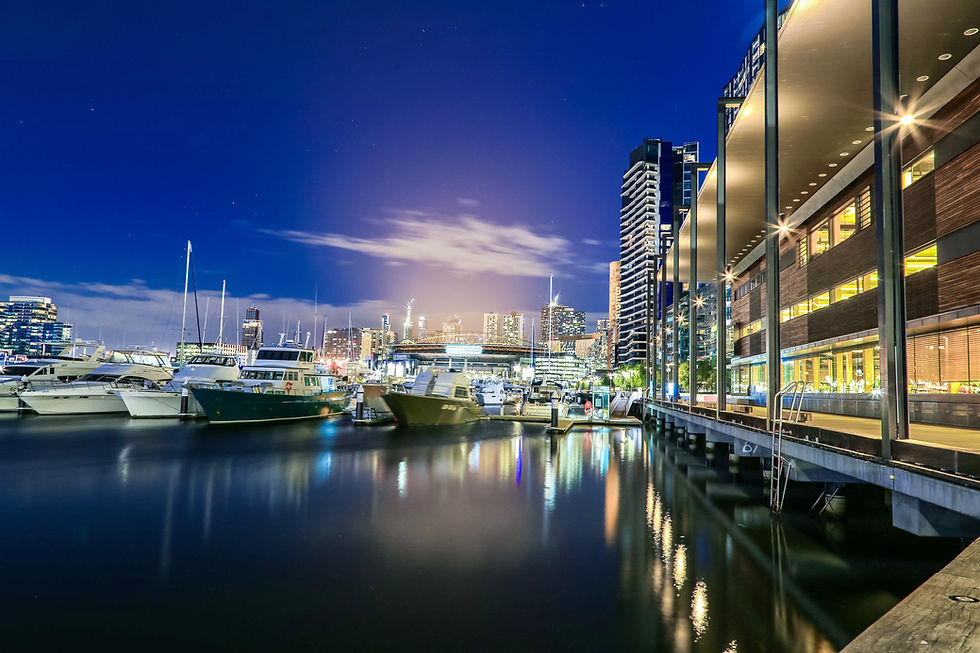
Finding the right boat can feel overwhelming, especially for first-time buyers. The countless options, from sizes to styles and engine types, can easily cause confusion. Having gone through the process myself, I understand how crucial it is to make an informed decision. That’s why I’m here to share my insights and experiences. With guidance from a dedicated team like RSH Marine, the buying journey can become clearer and more enjoyable. Let’s dive into the essential boat buying tips that helped me find the ideal fit.
Understanding Your Needs
The first step in choosing the perfect boat is understanding your unique needs and preferences.
Start by asking yourself: What activities do you want to enjoy on your boat? Are you aiming for weekend getaways, serious fishing trips, or lively water sports? Defining your primary purpose will help narrow down your options significantly.
If fishing is your main priority, consider a boat with features like built-in rod holders, bait wells, and open deck space — models from Merry Fisher (Jeanneau) or Beneteau Antares are excellent choices. For relaxed family outings and weekend getaways, a stylish and comfortable cruiser such as the Sealine S Series, Fairline Targa, or Princess V Class offers the space and amenities you’ll appreciate. Understanding how you plan to use your boat is key — it lays the foundation for making the right choice with confidence.
Setting a Budget
Once you understand your intended use, setting a budget is crucial.
Understanding Boat Ownership Costs in the UK
Boat ownership involves costs beyond just the purchase price. You’ll also need to consider:
Maintenance
Insurance
Mooring fees
Fuel
In fact, the Boating Association estimates that annual maintenance can average around 10% of the purchase price. I created a detailed budget outlining not just what I could afford initially, but what I could sustain over time.
Pro Tip: Different boat types come with varying maintenance requirements. Larger and more complex boats, like motor yachts, can incur significantly higher ongoing costs. Always factor this into your budget.
Exploring Size Options
Diverting into size options was an eye-opener in my boat search.
Boats come in all shapes and sizes, and choosing the right one depends on how and where you plan to use it. If you’re starting out with river cruising in the UK, a 23-foot boat offers a great balance of comfort, easy handling, and mooring flexibility. For those looking to explore coastal waters, a 30-foot cruiser is a popular choice — providing the added stability, space, and power needed for longer journeys and changeable sea conditions.
Think about how many people will be onboard. Whether it’s for solo adventures or accommodating a crowd of family and friends, ensure that the boat has enough seating and sleeping arrangements for comfort.
Deciding on Boat Style
Once you have an idea of the size, it’s time to decide on the style that matches your lifestyle.
Here are a few popular types:
Bow riders: Great for families and versatile for day cruising and water sports. They often come with ample seating and are perfect for harbor hopping.
Center Consoles: Excellent for fishing enthusiasts, offering easy access around the boat, making it suitable for casual anglers as well as serious fishermen.
Cruisers: Ideal for overnight trips and weekend getaways, cruisers come equipped with essential amenities like a galley (kitchen), bathroom (head), and sleeping space. British,built models such as the Fairline Targa 30, Princess V39, or Sealine S28 are great examples offering comfort, performance, and reliability for coastal cruising around the UK or venturing further afield.
Sailboats: Perfect for those who seek the thrill of sailing and a more laid-back experience on the water.
Choosing a style that matches your intended usage can significantly simplify your decision-making process.
Engine Configurations
Understanding engine configurations is essential for optimal performance.
Here are the main types of engines:
Outboard Motors: Favored for smaller boats, known for ease of maintenance and versatility. They account for nearly 70% of recreational boat engines sold today.
Inboard Motors: Housed inside the boat, these are generally more powerful and efficient for larger vessels, such as luxury yachts.
Sterndrive Engines: A hybrid option providing the advantages of both outboard and inboard systems, appealing for those who want speed and great handling.
As I navigated through these options, I realized the importance of matching the engine type to the boat’s intended use. The right engine can enhance your boating experience greatly.
Test Driving a Potential Boat
Taking potential options for a test drive was an exciting part of my journey.
A boat might look stunning in a showroom, but the real test happens on the water. By testing different models, I could check for handling, comfort levels, and performance firsthand. The sensation of how a boat responds to manoeuvres is invaluable.
Pro Tip: Test drive in conditions similar to those in which you plan to use the boat. Experimenting in both calm waters and light waves gives you the best understanding of how the boat behaves.
Considering Used Boats
For first-time buyers, exploring used boats can be a great avenue.
Pre-owned vessels can save you a significant amount of money while still providing joy on the water, often costing 20% to 40% less than new models. However, buying used requires careful consideration.
Be sure to check:
Maintenance History: Review service records to gauge the boat's upkeep before considering the purchase.
Overall Condition: Inspect for signs of wear and tear, both exterior and internal, particularly in the hull and engine.
Test Results: Just like new boats, any used options should be taken for a water test.
Purchasing a used boat can lead to great value, but it’s about making a wise investment.
Working with Boat Professionals
Navigating through the complexities of boat buying is much easier with expert guidance.
This is where RSH Marine can help. We provide valuable insights and tailored recommendations to match your needs, preferences, and budget — making the boat buying process smoother and more informed.
Whether you need help understanding specifications or arranging trials, their expertise can make a significant difference. Consulting with experienced team members can open you up to options you may never have considered, streamlining your selection process.
Final Tips for First-Time Buyers
In closing, here are a few additional tips I found invaluable as a first-time buyer:
Consider Long-Term: Think ahead to how your boating needs might change.
Get Insured: Understand insurance requirements before finalising your purchase.
Join a Boating Community: Being part of a community of seasoned boaters offers invaluable support, shared experiences, and advice as you begin your boating journey. With RSH Marine, you also gain the advantage of our trusted network of clubs and partners, giving you access to exclusive insights, events, and connections that help you get the most out of boat ownership.
Enjoy the Journey: Embrace this exciting venture! The process of picking out the right boat is just as important as the moments you’ll spend on the water.
Your Boating Journey Awaits
Choosing the perfect boat doesn’t have to be overwhelming. By understanding your needs, doing the right research, and working with trusted professionals like RSH Marine, your boat-buying journey can be smooth, rewarding, and enjoyable.
With the right preparation and support, finding the perfect boat is closer than you think. Whether you’re just starting out or ready to upgrade, RSH Marine is here to help you navigate the journey with expert advice, trusted connections, and personal service.


Comments